Researcher Story
Revealing Hidden Biodiversity in Cumberland Plateau Caves
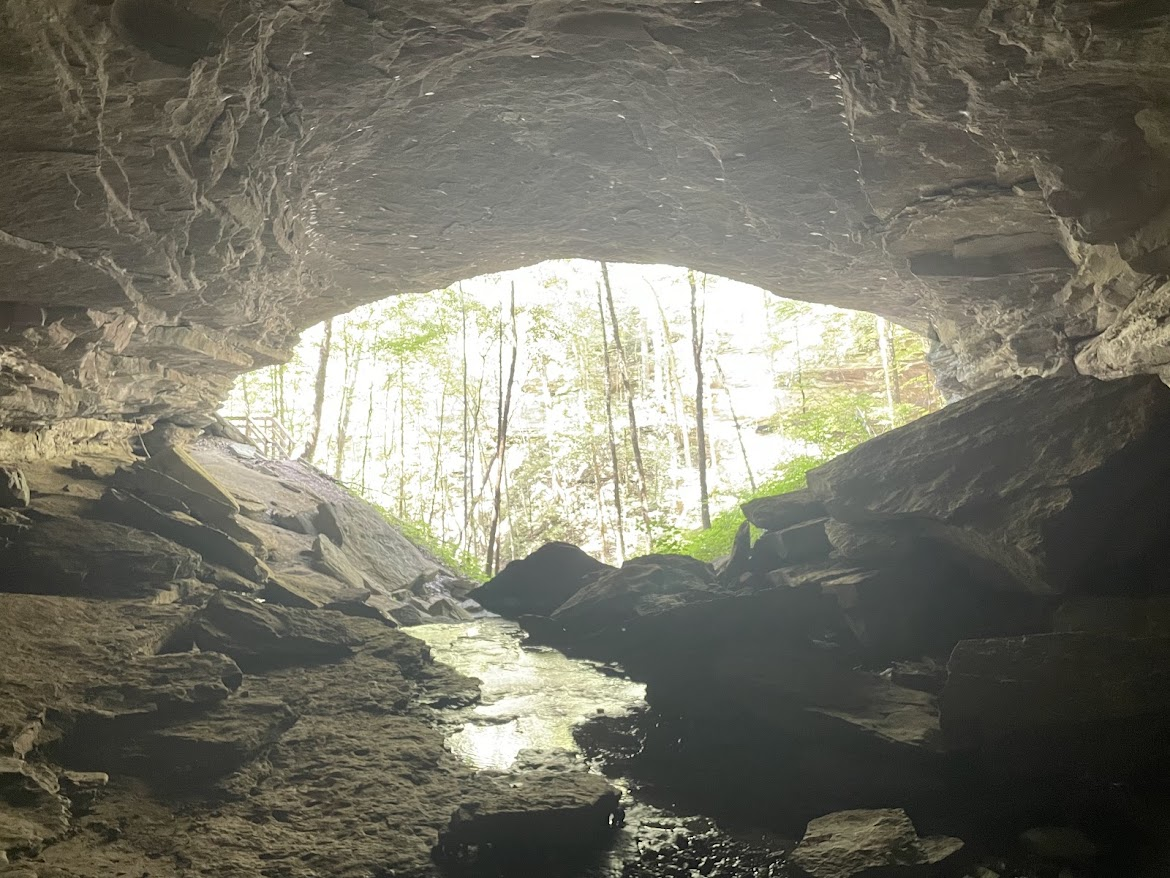
As acidic groundwater moves through cracks in carbonate bedrock, it slowly dissolves the surrounding rock. Over time, these fractures can expand into karst caves and underground drainage systems.
Caves contain distinctive microhabitats that support highly specialized organisms. Because these ecosystems can be particularly vulnerable to human disturbance, documenting the species that live within them is important for conservation and habitat management.
Researchers in Tennessee Tech’s Molecular Ecology Lab are combining traditional cave-survey methods with environmental DNA metabarcoding to document animal communities in dye-traced caves throughout the Cumberland Plateau.
Environmental DNA, or eDNA, consists of genetic material that organisms leave behind in their surroundings. By collecting environmental samples and analyzing the DNA within them, researchers can detect species that may otherwise be difficult to observe directly. Metabarcoding allows the team to identify many different organisms from the same environmental sample.
How RCD Supports the Research
Research Computing & Data optimized the project’s metabarcoding bioinformatics pipeline. The original workflow required multiple hours of setup and execution across several separate processing steps.
RCD consolidated those steps into a streamlined workflow, saving hours of computational work and making the analysis easier to run consistently. The RCD team has also remained available to answer questions and provide continued support throughout the project.
Research Team
Zoe Wills
Master's Student Researcher
Department of Biology
Molecular Ecology Lab
Dr. Carla Hurt
Professor
Department of Biology
Molecular Ecology Lab
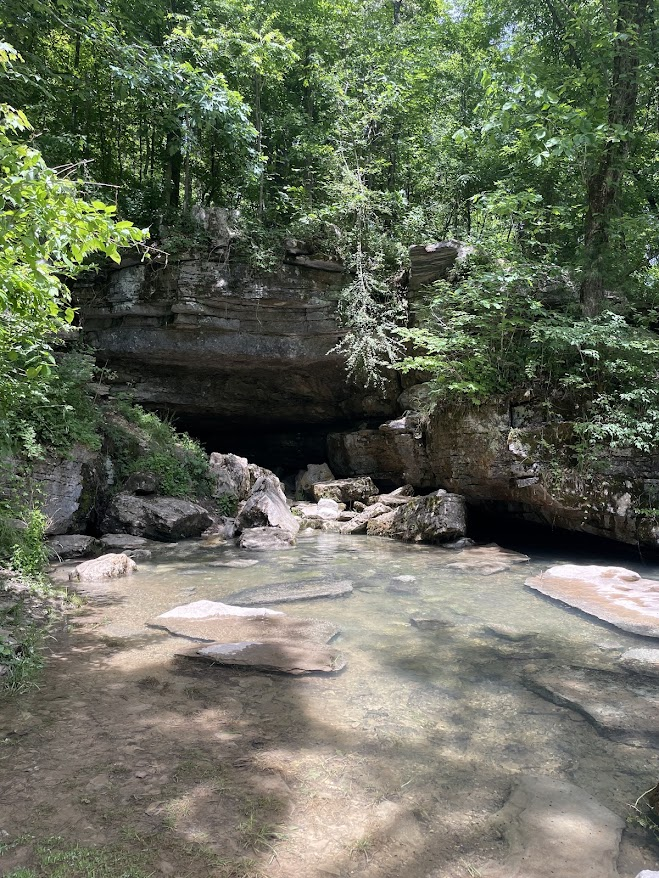
A cave stream and exposed carbonate bedrock in the Cumberland Plateau, where researchers are combining traditional surveys with environmental DNA metabarcoding to document cave biodiversity.